Wondering what really happens after you decide to list your Rockland County home? If you are preparing to sell, it is normal to feel both excited and unsure about the steps ahead. The good news is that when you know what to expect, the process feels much more manageable and strategic. From pricing and paperwork to showings, inspections, and closing, here is a clear look at what the listing journey can involve in Rockland County. Let’s dive in.
Rockland County market conditions
If you are listing in Rockland County, you are entering an active market, but that does not mean every home sells the same way. Recent public market trackers show a range of results depending on the source, with median sale or list prices reported between the low $700,000s and $800,000, and typical market time ranging from about 25 to 47 days.
That spread is not unusual because each source measures something different. Still, the shared takeaway is important: pricing and presentation matter. Even in a market described as favorable for sellers, a home that is priced too high or needs visible work may take longer to sell or require a price adjustment.
Pricing starts with comparable sales
One of the first things you can expect when listing your home is a pricing conversation built around recent comparable sales. New York tax guidance recommends the sales-comparison approach, which means looking at similar homes that have sold recently and comparing features, size, condition, and location.
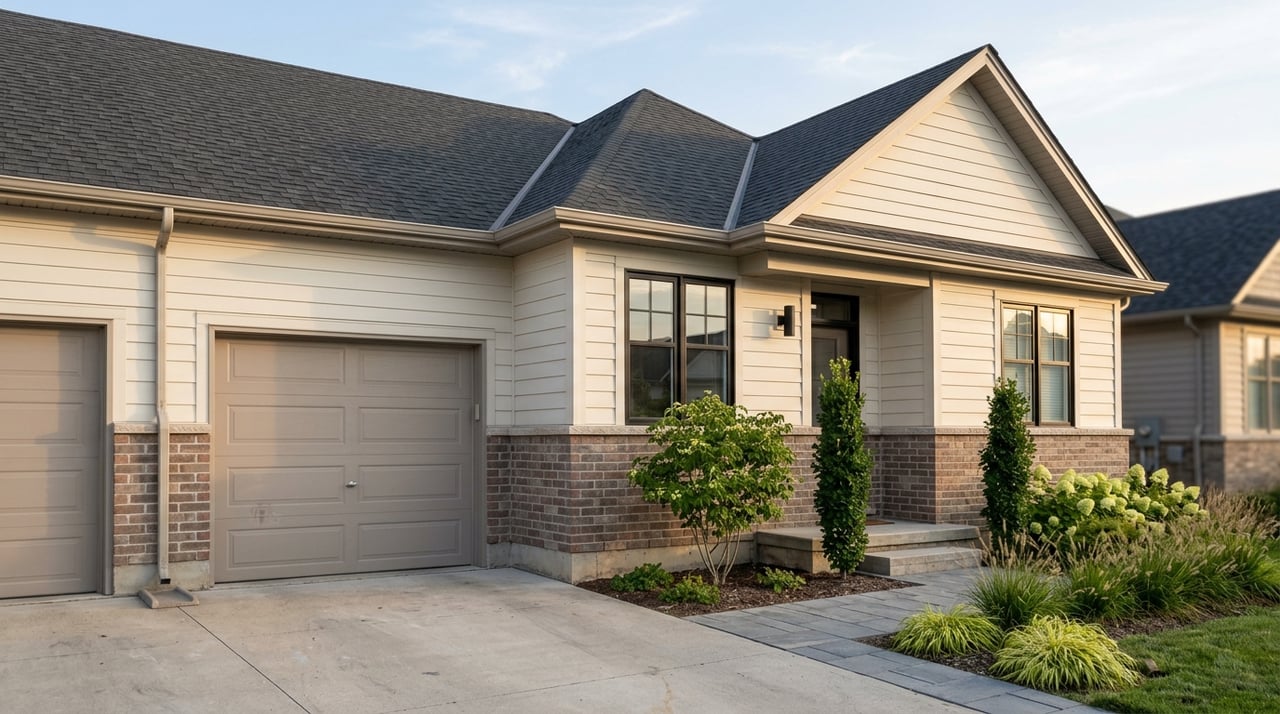
You should also expect value to be shaped by more than square footage alone. Factors such as curb appeal, overall condition, lot size, water or sewage systems, energy efficiency, supply and demand, and location within the county can all affect how buyers respond and what the market will bear.
A thoughtful pricing strategy matters because it sets the tone for everything that follows. Strong pricing can help generate attention early, while overpricing can cause a listing to sit longer than expected.
Prepare your home before listing
Before your home goes live, there is usually a preparation phase. This is when you can expect to focus on condition, maintenance, and the details buyers are likely to notice during showings and inspections.
In many cases, it helps to handle small issues before they become negotiation points later. A home that feels clean, cared for, and ready to show often makes a stronger first impression than one with deferred maintenance.
New York energy guidance also suggests servicing heating, cooling, and hot-water systems before listing. It can also help to have recent utility bills and the ages of major equipment available, since buyers often ask about operating costs and the condition of core systems.
Gather disclosures and paperwork early
One of the most important parts of the pre-listing stage in New York is the Property Condition Disclosure Statement. Sellers are required to complete and sign this form and provide it to the buyer or the buyer’s agent before the buyer signs a binding contract of sale. The signed form is then attached to the purchase contract.
This form covers a wide range of property topics. Depending on your home, it may include questions about shared features or association items, utility surcharges or fees, certificates of occupancy, floodplain and flood insurance history, asbestos, lead plumbing, radon testing, mold, pests, septic or cesspool details, water source, water damage, and the condition of systems such as plumbing, heating, hot water, roof, foundation, and siding.
You are expected to answer based on your actual knowledge. If you later learn something that makes your original answers materially inaccurate, you must provide a revised statement up until title transfer or buyer occupancy.
Because the disclosure form is not a warranty, buyers are still encouraged to complete their own inspections and checks. That is why it is smart to gather records early, especially if your property is older or has questions related to permits, flooding, septic systems, or past repairs.
Special rules for older homes
If your home was built before 1978, you should expect an additional lead-based paint disclosure step. Federal rules require sellers and real estate agents to disclose known lead information, provide any available reports, give buyers the required lead pamphlet, and include a lead warning statement in the transaction documents.
Buyers must also be given a 10-day opportunity to conduct a lead paint inspection or risk assessment. If your home falls into this age category, preparing these materials in advance can help keep the process organized.
Understand representation and agency forms
Early in the listing process, you should also expect agency disclosure paperwork. In New York, this standard disclosure form explains who represents whom in the transaction and what duties are owed.
A seller’s agent owes duties that include reasonable care, undivided loyalty, confidentiality, full disclosure, obedience, and accounting. If a broker were to act as a dual agent, informed written consent would be required.
This part of the process may feel formal, but it matters. It helps set clear expectations and gives you a better understanding of how your interests are represented throughout the sale.
Your attorney plays an important role
In New York, sellers should expect their own attorney to review contracts and transaction documents. State consumer guidance recommends that you have your own attorney rather than relying on the other side’s attorney.
This is an important part of the New York process and one reason transactions can feel different here than in some other states. Your attorney helps review legal documents, protect your interests, and support a smoother path from offer to closing.
You should also stay alert to closing-related scams. New York consumer guidance advises verifying wiring instructions and professional credentials carefully, especially when money and document requests are involved.
Showings and buyer feedback
Once your home is listed, the showing phase begins. In Rockland County, current market data suggests that well-priced homes can still move relatively quickly, while homes that are overpriced or need work may sit longer.
That means buyers will likely respond quickly to value, condition, and presentation. During this phase, you can expect feedback to center on price, layout, updates, and how your home compares to other active options buyers are seeing.
This is where a guided, detail-oriented approach can help. Clear communication, readiness for showings, and a willingness to respond strategically to market feedback can make a real difference.
Reviewing offers with a clear plan
When offers come in, the highest number is not always the only factor to consider. You should expect to review the full picture, including price, financing terms, contingencies, proposed timing, and how strong or certain the buyer appears to be.
A clean offer with solid terms can sometimes be more appealing than a higher offer with more risk attached. This stage often moves quickly, so it helps to go in with a clear understanding of your priorities.
Inspections can shape negotiations
After a buyer is in contract, the home inspection often becomes the next major milestone. In New York, inspections are performed by licensed home inspectors, architects, or engineers acting within their scope. A standard inspection typically covers major systems and components such as heating, cooling, plumbing, electrical, structure, foundation, roof, masonry, and interior and exterior elements.
It is also important to know what a standard inspection does not include. Radon and pest inspections are not part of the standard home inspection, so buyers may order separate evaluations if those concerns come up.
If issues are found, the next conversation often involves repairs, credits, or other solutions. You can expect negotiations to focus on what is material, what is documented, and what both sides are willing to do to keep the deal together.
Repair requests should be documented
If you agree to repairs, New York guidance says those promises should be put in writing. If the work will not be finished before closing, money for that work may be placed in escrow until the agreed items are completed.
This helps reduce confusion and gives both parties a clearer path forward. It also reinforces why good records and written terms matter so much during the transaction.
Closing costs and final steps
As you move toward closing, you should expect a few state-specific details. In New York, the real estate transfer tax generally applies when the consideration exceeds $500, and the base tax is ordinarily paid by the seller.
For residential sales of $1 million or more, the 1% mansion tax generally applies and is paid by the buyer. For Rockland County transactions, the TP-584 transfer tax return is filed with the county clerk where the property is located, and recorded documents must be original, legible, signed, and notarized.
This final stage is where details really matter. Staying organized, reviewing documents carefully, and working with the right professionals can help closing feel more predictable and less stressful.
What sellers should keep in mind
Listing a Rockland County home is not just about putting a sign in the yard. It is a process that includes pricing from comparable sales, preparing the home thoughtfully, organizing disclosures, navigating showings, reviewing offers carefully, and getting through inspection and closing with clear documentation.
When you know what is coming, you can make stronger decisions at each step. That kind of preparation often leads to a smoother experience and a more confident sale.
If you are thinking about listing and want a guided, detail-oriented approach, Nicole Isaacs can help you prepare, position, and navigate the process with clarity.
FAQs
What pricing method is typically used when listing a Rockland County home?
- New York guidance recommends the sales-comparison approach, which looks at at least three similar recent sales and adjusts for factors like condition, lot size, systems, and location.
What disclosures are required when selling a home in Rockland County?
- New York requires sellers to complete and sign a Property Condition Disclosure Statement and provide it before the buyer signs a binding contract of sale.
What should sellers gather before listing a Rockland County property?
- It helps to gather property records, utility information, equipment ages, repair history, and any details related to permits, flooding, septic systems, or shared or association features.
What happens if a Rockland County buyer finds issues during inspection?
- The parties may negotiate repairs, a price credit, or another solution, and any repair agreements should be put in writing.
Who pays transfer tax when selling a Rockland County home?
- In New York, the base real estate transfer tax is ordinarily paid by the seller, while the 1% mansion tax on residential sales of $1 million or more is generally paid by the buyer.