If you are trying to make sense of Orange County’s housing market, you are not alone. This is not a one-size-fits-all county, and the right choice for you depends on how you want to live, what you want to spend, and how much space or convenience matters most. When you understand how housing options vary across Orange County, it becomes much easier to narrow your search with confidence. Let’s dive in.
Why Orange County Housing Feels So Varied
Orange County is a layered housing market with 154,492 housing units and 138,608 households. It is also a mostly owner-occupied county, with 67.8% of homes occupied by owners, which helps explain why ownership plays such a central role in the local market.
The county covers 812.32 square miles of land with a 2020 population density of 494.0 people per square mile. In practical terms, that means you can find very different housing experiences depending on where you look, from denser centers with more attached housing to areas where detached homes on larger lots are more common.
For budget context, the median owner-home value is $387,900, median monthly owner costs are $2,664, median gross rent is $1,680, and the 2024 median household income is $97,178. Those numbers do not tell you what you should buy, but they do give useful context when comparing renting, attached ownership, and detached homes.
Detached Homes in Orange County
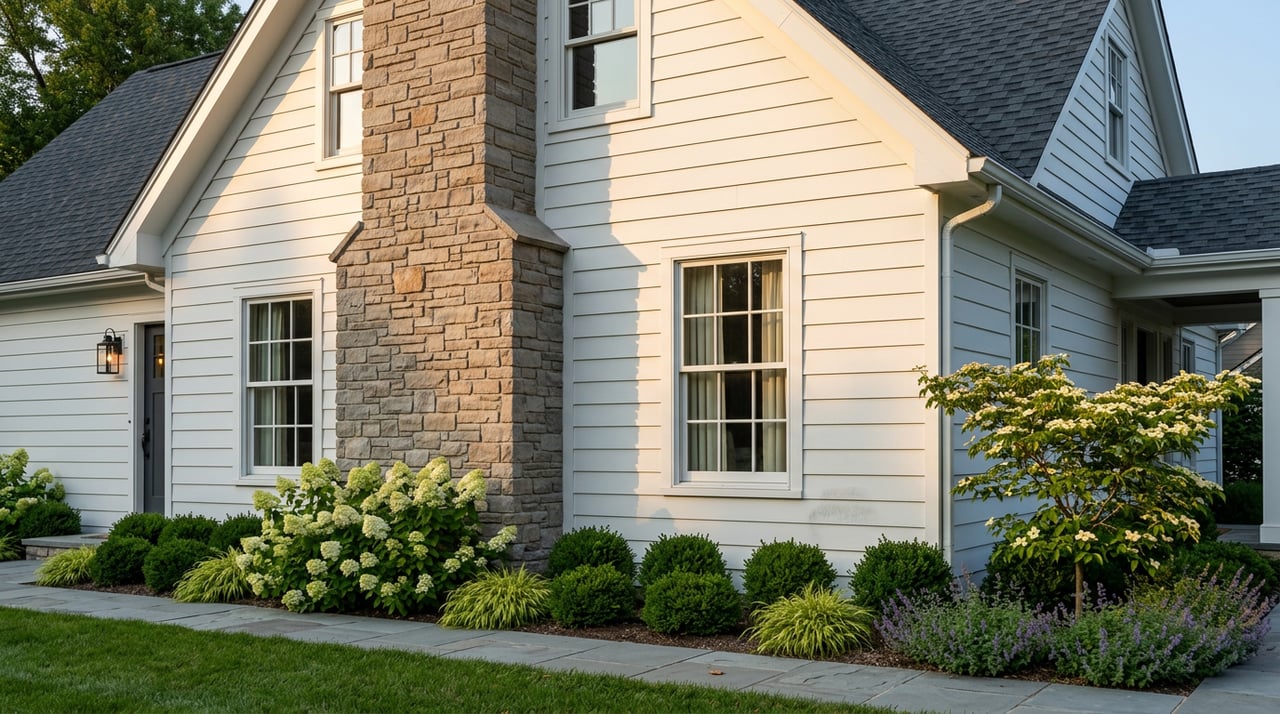
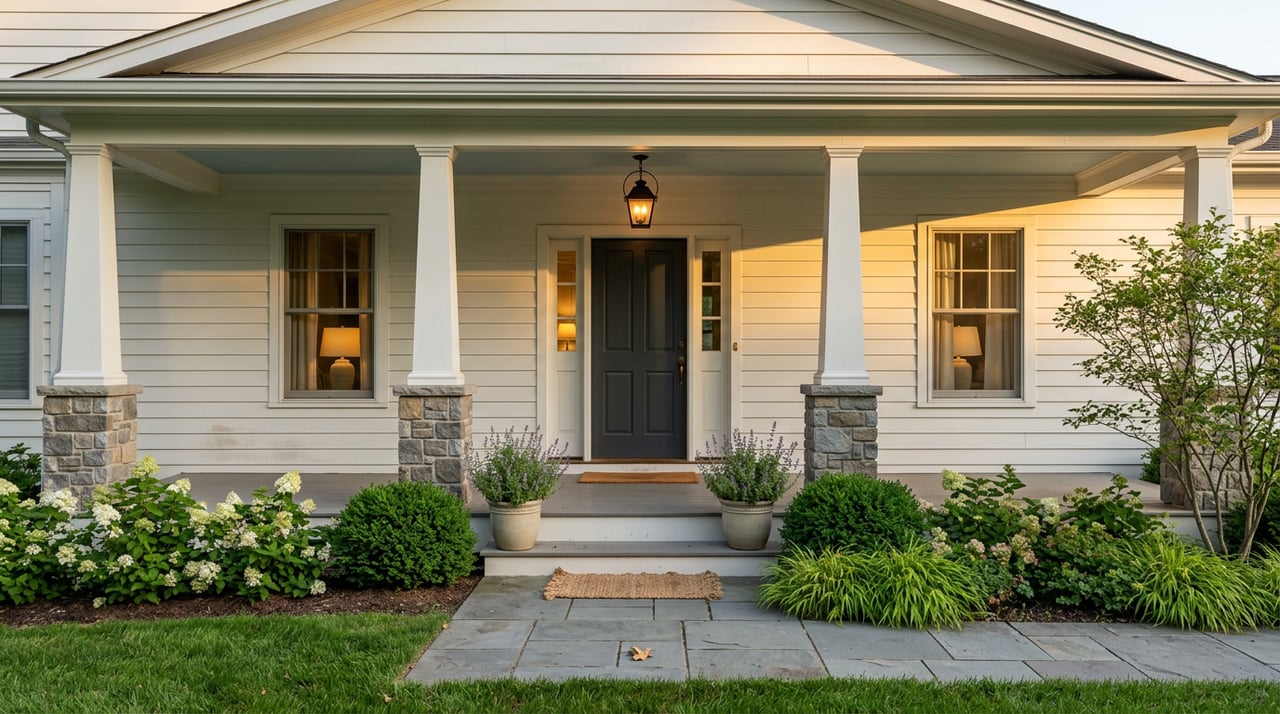
Detached single-family homes are the baseline housing type in Orange County. According to the county’s planning framework, the bulk of housing is made up of detached single-family homes on large lots, especially outside denser centers.
If you want yard space, more separation from neighbors, or a more traditional suburban or semi-rural feel, this option often makes the most sense. For many buyers, detached homes offer flexibility in layout and outdoor use, but they can also mean more upkeep and, depending on location, more driving to reach daily services or transit.
Condos and Townhomes
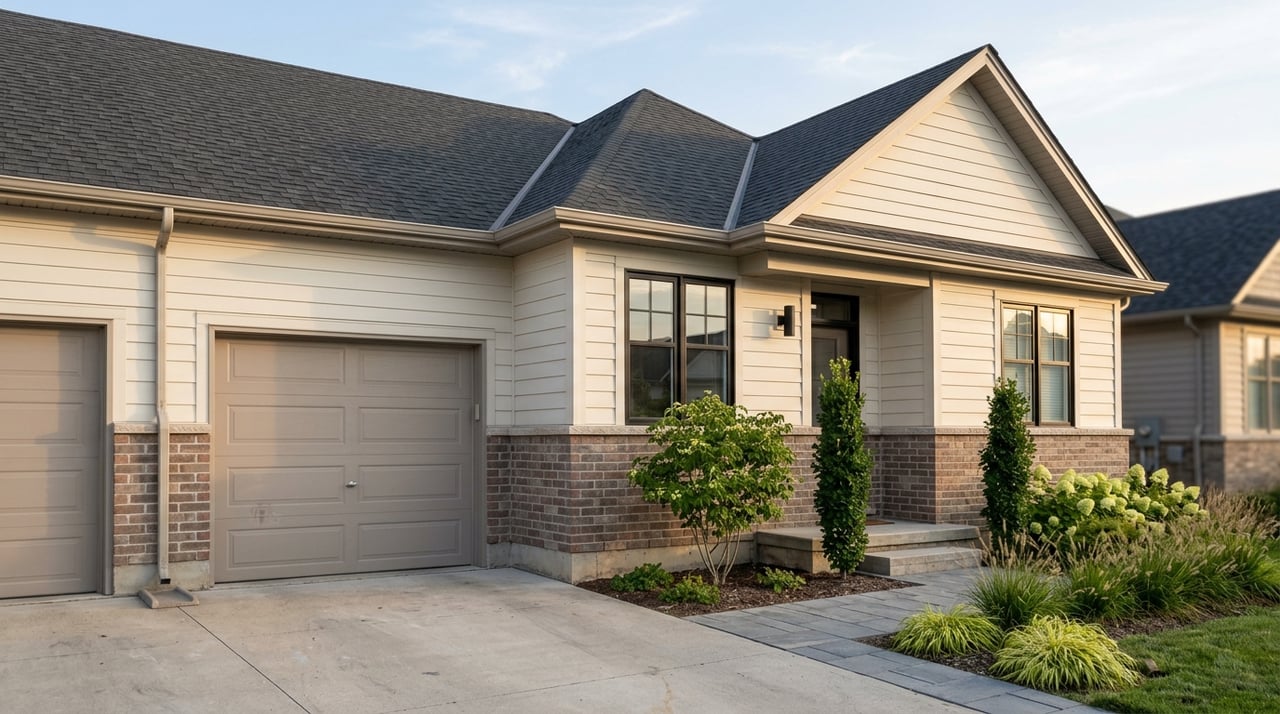
If you want ownership with less exterior maintenance, condos and townhomes can be a strong fit. Orange County’s planning documents support a diverse mix of housing types in growth areas, and current countywide market snapshots confirm that attached ownership options are part of the local housing mix.
These homes are often most aligned with buyers who want a simpler day-to-day setup or a more budget-conscious path into ownership compared with some detached properties. They may also appeal to buyers who want to be closer to denser centers where infrastructure and services are more established.
Apartments and Rental Housing
Renting remains an important part of the Orange County housing picture, especially if you need flexibility or are not ready to buy yet. At the same time, the county’s HOME-ARP plan shows that rental housing is tight, with low vacancy rates and rising rents.
The affordability pressure is significant. The county reports that 46.8% of renters are cost burdened and 21.6% are severely cost burdened, which means a large share of renters are spending a substantial part of their income on housing.
The county also reports that 11,315 renter households are at or below 30% of area median income, while only 4,924 rental units are considered affordable to that group. Orange County expects HOME-ARP funds to help create 20 new affordable rental units at or below 30% AMI, which shows both an effort to respond and the scale of the need.
Manufactured and Mobile Home Communities
Another housing path in Orange County is a manufactured or mobile home community. The Orange County Health Department says there are 55 mobile home parks in the county, and those parks are inspected at least annually for sanitary conditions.
The county planning framework also identifies mobile home parks as one of the traditional affordable-housing tools, especially when located near services and transit. For some buyers, this option can offer a different path to housing that may be worth exploring depending on budget, lifestyle, and long-term goals.
New-Build and Infill Housing
If you are hoping for newer construction, Orange County does have active development in the pipeline. The county says growth should be directed to designated growth areas where water, sewer, transit, and walkability are more available.
Its 2024 development pipeline included 1,195 dwelling units submitted through municipal referrals. The county also points to larger projects, such as the 600-unit Clovewood project in South Blooming Grove, alongside infill development in existing single-family areas.
For you as a buyer, this means newer housing opportunities may be more likely in places already set up to support growth. That can be especially helpful if you want a more modern layout, a newly built community feel, or a location connected to existing infrastructure.
How Location Changes Your Options
One of the biggest things to understand about Orange County is that housing type and setting are closely connected. The county’s planning framework divides the area into places that should grow differently, with cities, villages, and hamlets serving as the locations for denser housing and stronger infrastructure.
In contrast, other areas are intended to retain agriculture, open space, and scenic views. That means if you are drawn to a rural-feeling property, you will often be looking farther from transit and employment centers. If you want easier access to services, you will usually focus more on growth areas.
This difference is not just about style. It affects your commute, your day-to-day convenience, and the type of home inventory you are most likely to find.
Flexible Housing for Multigenerational Needs
Some buyers need more than a standard layout. Orange County notes that some towns allow bonus units within an existing residence or above a detached garage, and some jurisdictions allow granny pods.
These options can matter if you are planning for multigenerational living or want more flexibility on a semi-rural property. Availability depends on the specific local jurisdiction, so this is an area where having clear guidance during your search can be especially helpful.
Matching Housing Type to Your Goals
The best Orange County housing option for you depends on how you balance budget, space, and convenience. A detached home may offer privacy and land, while a condo or townhome may offer ownership with lower maintenance.
An apartment may provide flexibility, especially if you are still deciding where you want to settle. A manufactured-home community may offer a different affordability path, and a rural-feeling property may give you more land and separation, often with tradeoffs in access to transit and services.
Here is a simple way to think about it:
- Detached homes: best for space, privacy, and a more traditional suburban or semi-rural setting
- Condos and townhomes: best for lower-maintenance ownership and often a more compact lifestyle
- Apartments and rentals: best for flexibility and shorter-term housing needs
- Manufactured or mobile home communities: best for exploring an alternative ownership or affordability path
- New-build or infill homes: best for buyers seeking newer housing in growth-oriented areas
What Orange County Buyers Should Keep in Mind
If you are starting your search, it helps to stay focused on fit rather than assumptions. Orange County’s own planning and housing data show that affordability, infrastructure, and location are closely connected.
That means your home search should start with clear priorities. Ask yourself how much space you need, how much maintenance you want, how important proximity to services is, and whether flexibility or long-term ownership matters more right now.
A thoughtful plan can save you time and reduce overwhelm. In a market with this much variety, clarity is one of your biggest advantages.
Whether you are comparing a condo, a detached home, or a more flexible property setup, the goal is the same: finding the option that supports your lifestyle and your next chapter. If you want a clear, guided approach to buying or selling in Orange County, Nicole Isaacs is here to help.
FAQs
What types of homes are most common in Orange County, NY?
- Detached single-family homes are the most common housing type in Orange County, especially outside denser cities, villages, and other growth centers.
Are condos and townhomes available in Orange County, NY?
- Yes. Orange County includes condos, townhomes, and other attached ownership options, particularly in areas planned for denser residential growth.
Is renting expensive in Orange County, NY?
- Renting can be challenging for many households. The county reports a median gross rent of $1,680, and 46.8% of renters are considered cost burdened.
Are there mobile home parks in Orange County, NY?
- Yes. The Orange County Health Department says there are 55 mobile home parks in the county, and they are inspected at least annually for sanitary conditions.
Where are new housing developments planned in Orange County, NY?
- Orange County says growth should be directed to areas with water, sewer, transit, and walkability, and its 2024 development pipeline included 1,195 dwelling units submitted through municipal referrals.