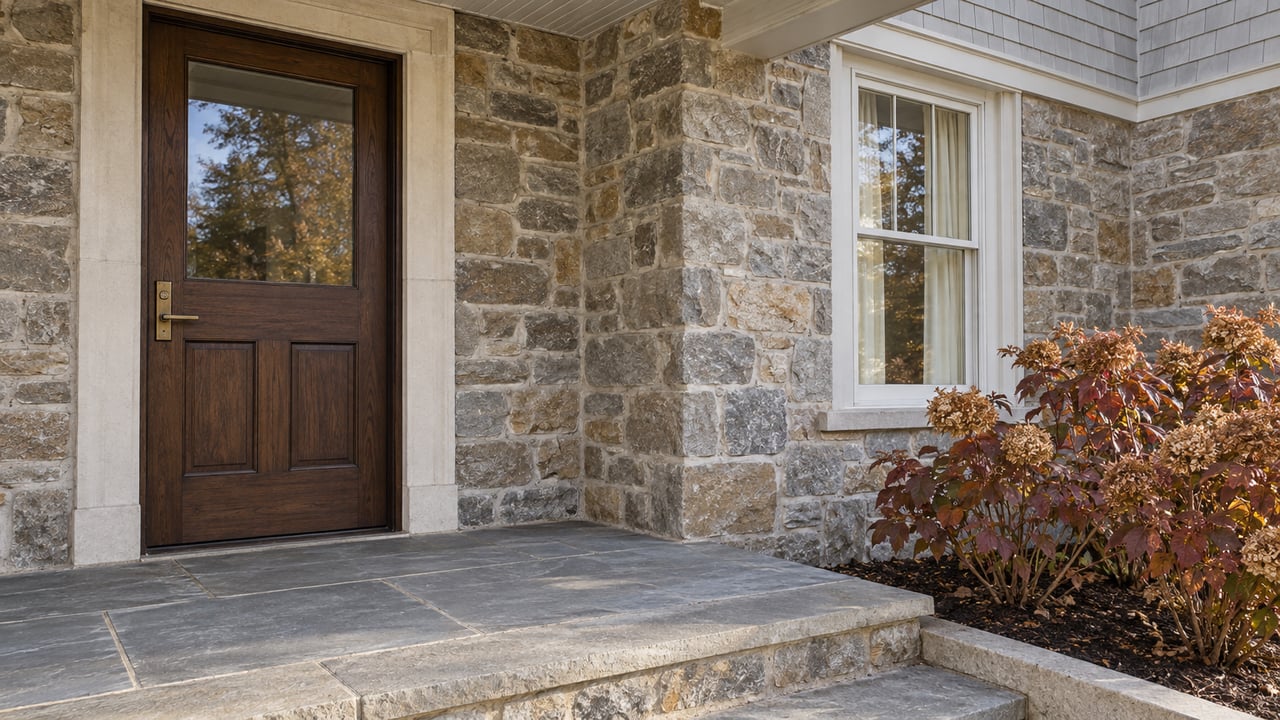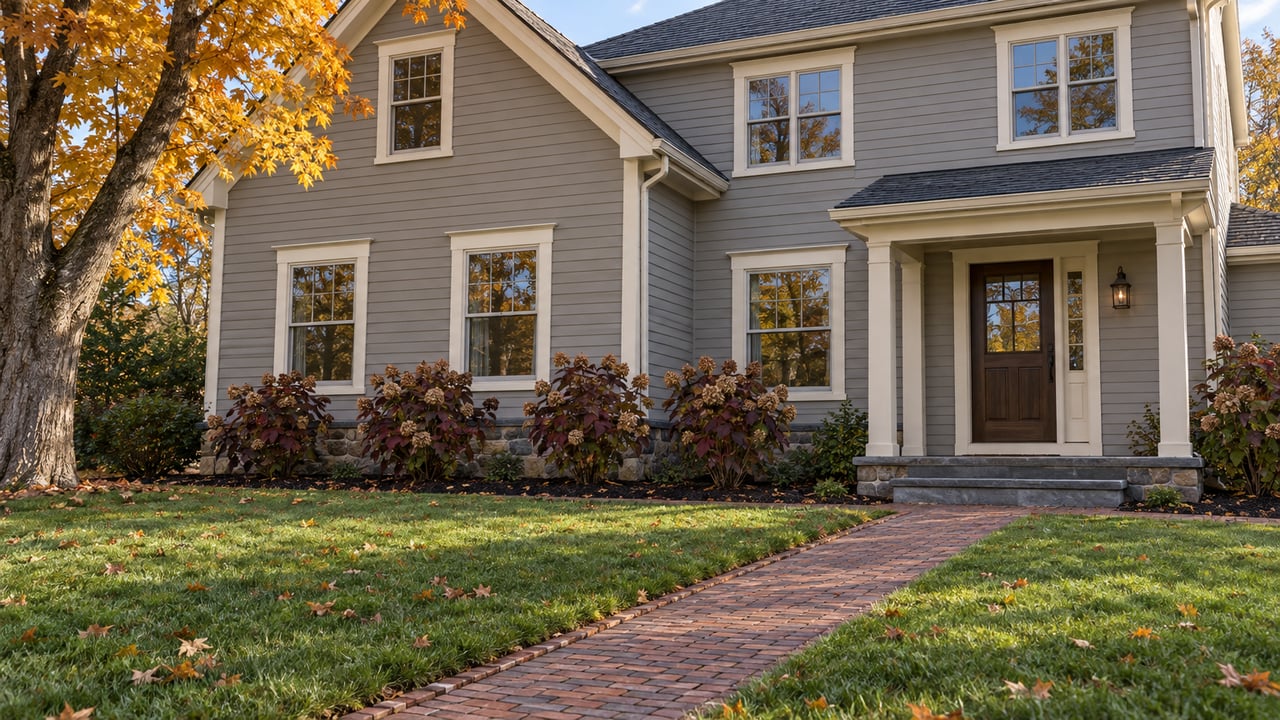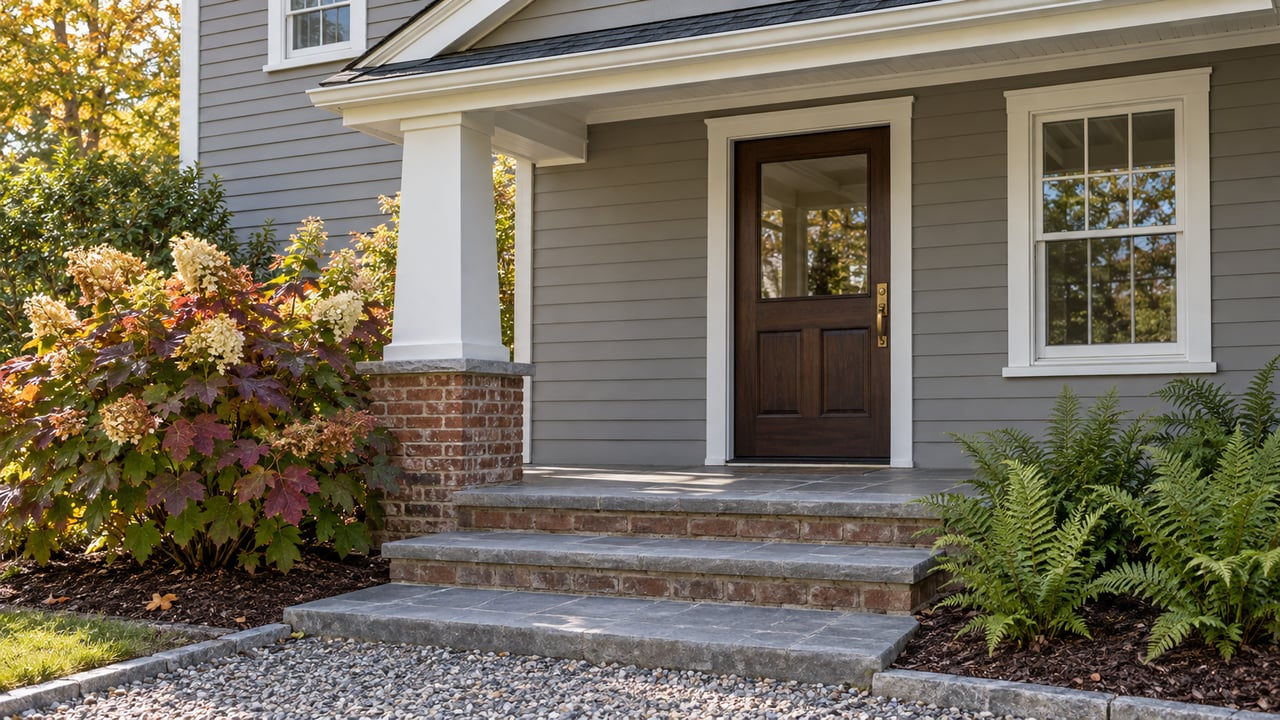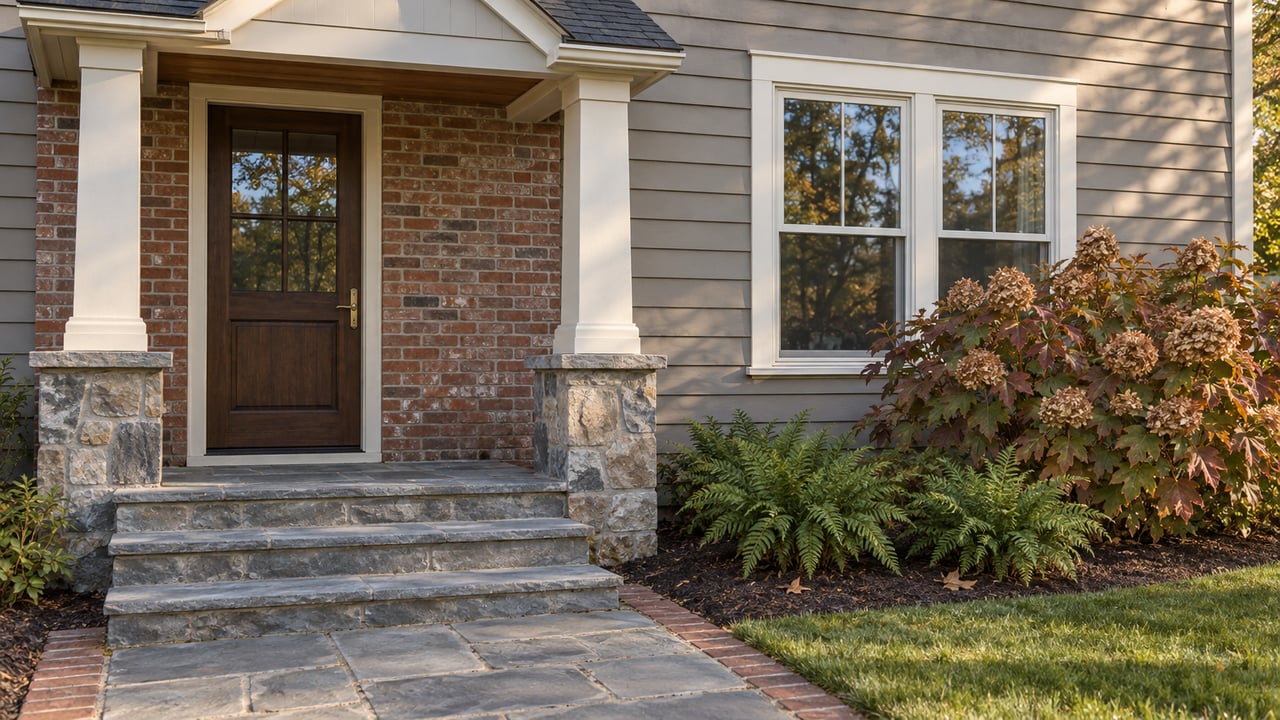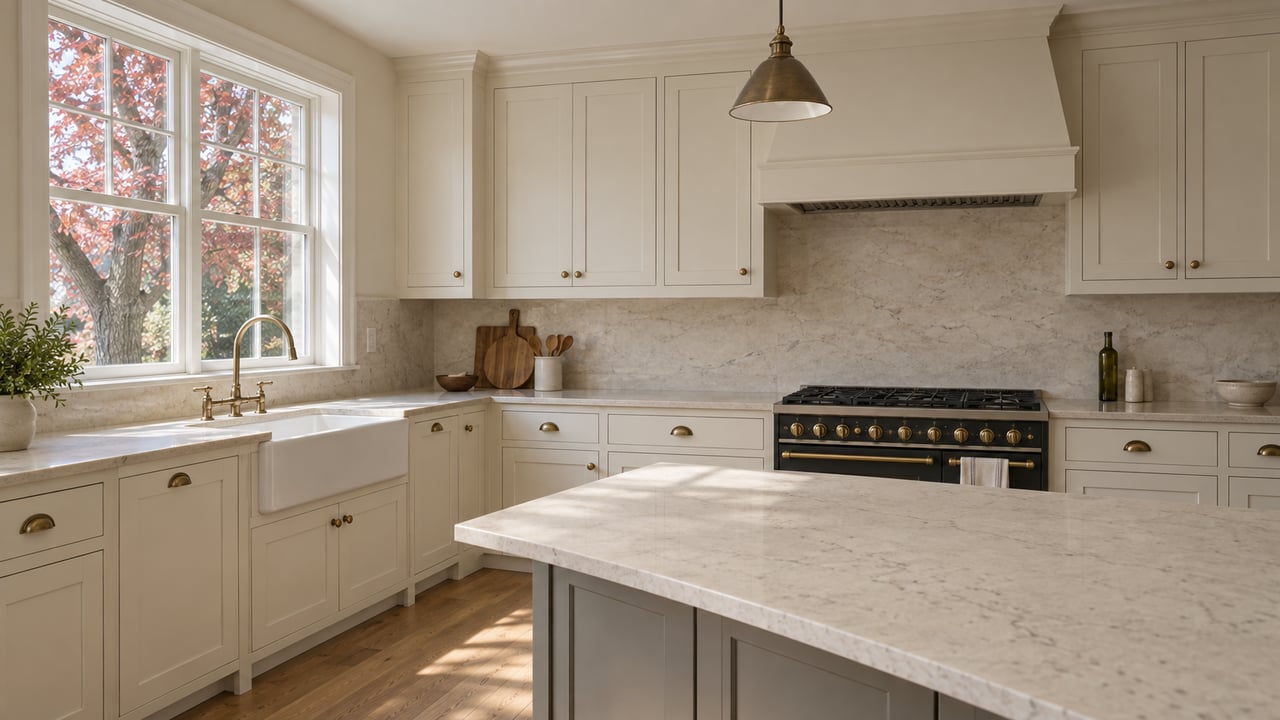
Walk Main Street in the Village of Goshen and you're standing inside a National Register historic district. The Victorians on South Church and South Streets went up in the 1800s, Lawyers' Row still houses the firms that work the Orange County Courthouses down the block, and the Historic Track a few blocks over has run harness races since 1838, making it the oldest active track of its kind in the country. Drive fifteen minutes down Route 17 to Monroe and the scenery changes. Builder signs line the roads off Route 32, model homes sit on cul-de-sacs that didn't exist five years ago, and the new-construction inventory keeps expanding.
Buyers comparing the two towns usually start with one number: the median sale price. Over the past year that gap has been closing, and on paper it looks like Goshen is getting less exclusive or Monroe is getting more expensive. Neither is quite right. The gap is closing because the two towns are answering completely different questions with their median, and once you run the actual carrying cost, the towns land close enough that the price gap barely matters.
The number every portal leads with
On a rolling three-month basis through May 2026, Goshen's median single-family sale price sat at $579,900, down 3.4 percent from $600,000 a year earlier. Monroe's median over the same window was $515,000, up 0.7 percent from $511,250. That puts the gap at roughly $65,000, down from about $89,000 a year ago.
Read as a straight line, that trend says Goshen is cooling and Monroe is holding, and the two towns are converging on price. But a median is just the midpoint of whatever homes actually sold, and the two towns aren't selling the same kind of housing stock.
What's actually moving the Monroe number
Monroe's median doesn't describe one type of home. It describes a market where more than six active homebuilders are currently offering roughly 30 new-construction floor plans, priced from about $399,900 up to $1,998,995. That's not a narrow band around a typical resale. It's a spread wide enough to include a starter attached home and a near-two-million-dollar custom build in the same statistic.
A median absorbs that spread by finding the midpoint, which means it can hold steady even while the mix of what's selling shifts underneath it. Monroe also carries more active listings than Goshen, 151 at last count, and homes there take longer to sell, an average of 80 days on market. More inventory and slower turnover are exactly what you'd expect in a market where a chunk of the supply is new construction still waiting to find its buyer, not resale housing competing on a tight timeline.
None of that makes Monroe's price a bad deal. It makes the median a description of a building market, not a single housing type.
| Measure | Goshen | Monroe |
|---|---|---|
| Median sale price (3-mo. through May 2026) | $579,900 | $515,000 |
| Year-over-year change | down 3.4% | up 0.7% |
| Average sale price | $665,089 | not separately reported |
| Active new-construction floor plans | limited by historic district review | approximately 30, from 6+ builders |
| Effective property tax rate | approximately 2.22% | approximately 2.46% |
Why Goshen can't run the same play
Goshen's average sale price, $665,089, sits about $85,000 above its median of $579,900. That gap points to a stock of larger historic homes, the kind found around the Church Park Historic District, pulling the average up while more modest resales set the midpoint. Unlike Monroe, Goshen can't easily add a new tier of $400,000 starter product to balance that out. The village's architectural review standards exist specifically to preserve the historic character of the downtown around Five Corners, the intersection of West Main Street, Church Street, and NYS Route 207, which limits how much new housing supply can be layered onto the existing stock without changing what makes that stock valuable in the first place.
That's a structural difference, not a verdict on which town is the better buy. Goshen's price movement reflects a fixed supply of older homes responding to demand. Monroe's price movement reflects an active pipeline of new supply still working through the market. Comparing the two medians as if they measured the same thing is where the "Goshen is getting cheaper" read falls apart.
The line that actually closes the gap
Here's where the sticker price stops telling the whole story. Effective property tax rates in the two towns run in opposite directions from what the sale prices might suggest. Goshen's effective rate is around 2.22 percent. Monroe's is higher, around 2.46 percent. Monroe sits above the Orange County average of roughly 2.38 percent; Goshen sits below it.
Run that against the actual median prices and the picture changes. A Goshen home at the $579,900 median carries an annual property tax bill of roughly $12,875. A Monroe home at the $515,000 median, at the higher rate, carries a bill of roughly $12,670. The $64,900 gap in sale price shrinks to a gap of about $200 a year once the tax rate is factored in.
That's not a rounding error. It's the difference between a decision made on list price and a decision made on carrying cost. A buyer choosing Monroe for the lower number on the listing sheet is paying almost the same annual tax bill as a buyer in Goshen, just structured differently: less upfront, more on the tax line every year after.
What actually separates the two towns
Once price and tax roughly cancel out, the real differences between Goshen and Monroe come down to what's on the ground, not what's on the closing statement.
- School district: Goshen falls under the Goshen Central School District. Monroe falls under Monroe-Woodbury Central School District. They're separate districts with separate boundaries, and which one applies depends on the specific address, not just the town name.
- Housing type: Goshen's resale stock is concentrated in older homes, many within or near the historic district. Monroe's active inventory includes a meaningful share of new construction, meaning warranties, current code compliance, and builder-selected finishes are more often part of the package.
- Local landmarks and daily life: Goshen is home to the Harness Racing Museum and Hall of Fame of the Trotter, the Historic Track, and a weekly Farmers' Market on the Village Green. Monroe residents are closer to Crane Park, the Heritage Trail, and Museum Village, and sit near Woodbury Common Premium Outlets just off the Thruway. LEGOLAND New York Resort itself is located within the Town of Goshen, which means Goshen buyers are the ones closest to it, not Monroe buyers, despite Monroe's reputation as the newer-development side of the comparison.
- Pace of the market: Goshen's tighter, older inventory tends to move faster once priced right. Monroe's larger, more varied inventory, including homes still working through construction, tends to sit longer, which can mean more room to negotiate on an individual listing even while the town-wide median holds steady.
What this means if you're comparing the two
If new construction is part of the plan, Monroe's builder market is the deeper one, but it comes with a different purchase structure than a resale. Most builders require a separate construction loan with interest-only payments during the build, which means budgeting for that phase before the permanent mortgage takes over matters as much as comparing the base price of the floor plan.
If a historic resale is the draw, Goshen's stock is the one shaped by architectural review standards that keep the downtown's character intact, which is part of why those homes hold value the way they do. It also means renovation plans inside the historic district may need to work within those standards rather than around them.
Either way, the $65,000 headline gap is real on the listing sheet and mostly gone by the time the first tax bill arrives. The decision that actually matters is which kind of housing stock, and which kind of ownership experience, fits what you're buying for.
A few questions this comparison raises
Is Monroe actually cheaper than Goshen? On sale price, yes, by roughly $65,000 at the median as of the three months through May 2026. On annual property tax, the gap narrows to around $200 because Monroe's effective tax rate runs higher than Goshen's.
Why did Goshen's median price drop this year? The 3.4 percent year-over-year decline reflects a cooling in the resale market for a relatively fixed supply of homes, not a broader affordability shift. Goshen's average sale price still runs well above its median, pointing to continued demand at the higher end.
Does Monroe have more homes to choose from? Yes. Monroe carries more active listings than Goshen and a meaningfully longer average time on market, partly a function of the active new-construction pipeline still filling out.
Are the two towns in the same school district? No. Goshen falls under Goshen Central School District and Monroe falls under Monroe-Woodbury Central School District. The specific address determines which one applies.
Comparing two towns on price alone tells you which one costs more today. It doesn't tell you which one costs more to own, what kind of home you're actually choosing between, or which trade-offs come with the purchase structure itself. If you're weighing Goshen against Monroe, or any two Orange County towns against each other, that's the conversation worth having before the listing price becomes the whole decision. Nicole Isaacs works with buyers across Orange County who are trying to make that exact comparison, and can walk through what the numbers on a specific address actually mean.
This article is general information, not legal, tax or financial advice. Consult a qualified professional about your situation.